CREATOR’S STATEMENT
As powerful new technologies offer new creative opportunities, they come with complex implications, and we find ourselves at an inflection point which brings into stark focus the nature, purpose and future of human creativity.
Our story intentionally takes place in the pre-digital era, during the last ever fully analogue age, focussing on the epicentre of the last great cultural revolution - Abbey Road studios in the 1960s. Like Mad Men, the period setting gives us a way of looking at our current time, and in particular our interface with technology and its relationship to human creativity. More specifically, it allows us to ask what we lose on our current quest to become to digital humans.
Far from being a nostalgic trip down memory lane, this is an entirely fresh look at iconic Sixties London, offering a familiar backdrop for a very unfamiliar meditation on what it is to be human, what it is to yearn for what’s lost, and what lengths we might go to to make some sort of connection with the past and the future.
The longing for what has been left behind - as a result of advancing technology, time or even death - is a driving force not just for this story but really for all of us as we move through our lives.
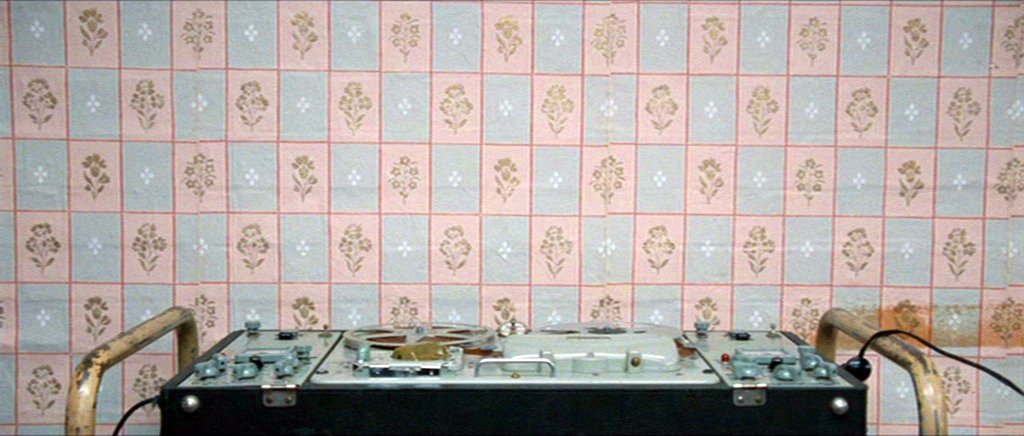
When I was young, my Dad went blind and subsequently died when I was 13. I take some comfort in a series of tape recordings he made to his brother in Canada. These old tapes, and the specialist machines they were recorded on, designed for the blind, remain my most vivid connection to my Dad. It is precisely this connecting of technology and the human experience which is at the centre of this series.
Ultimately it is a story about contact - with the past, with the future, with each other.
Sholto Crow
Something is calling
VISUAL STYLE
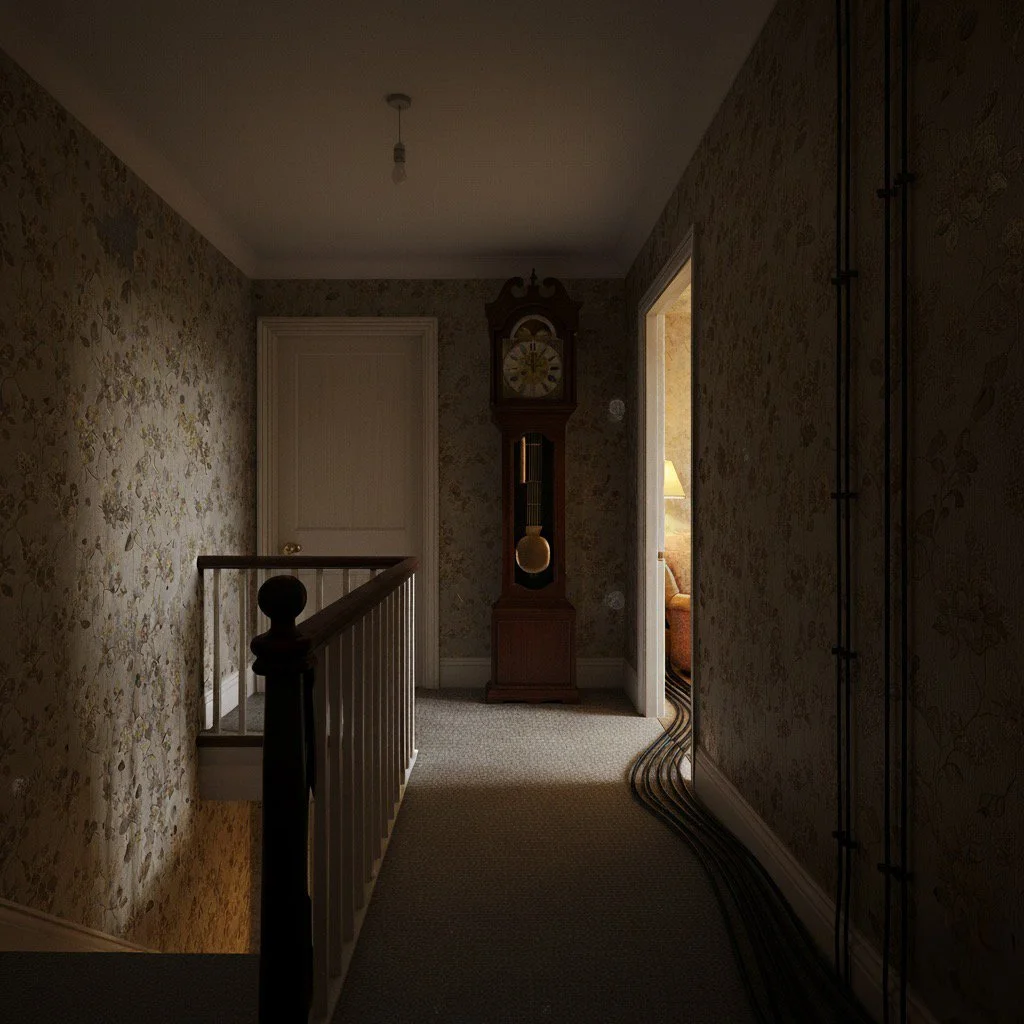
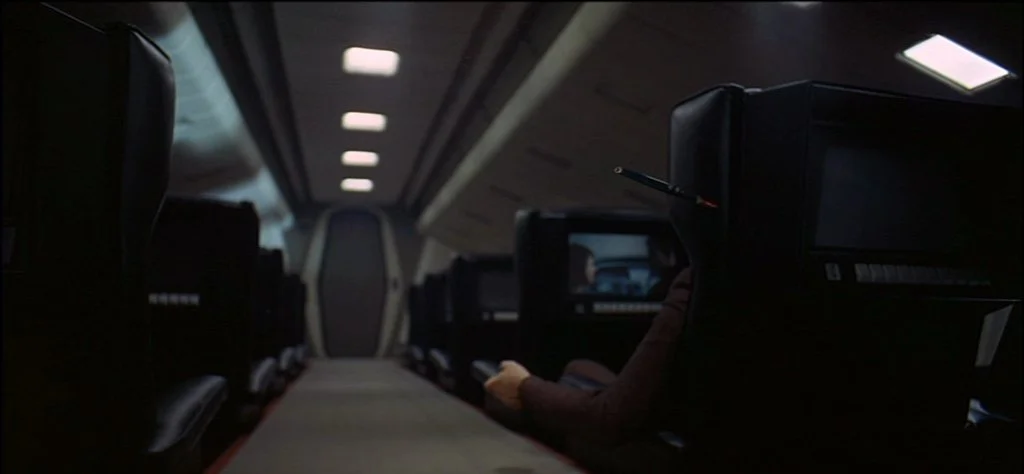
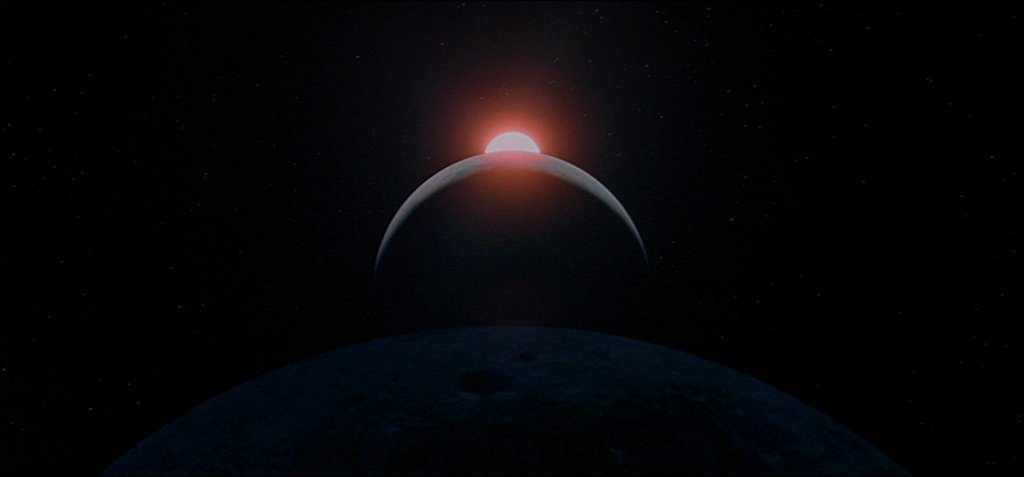
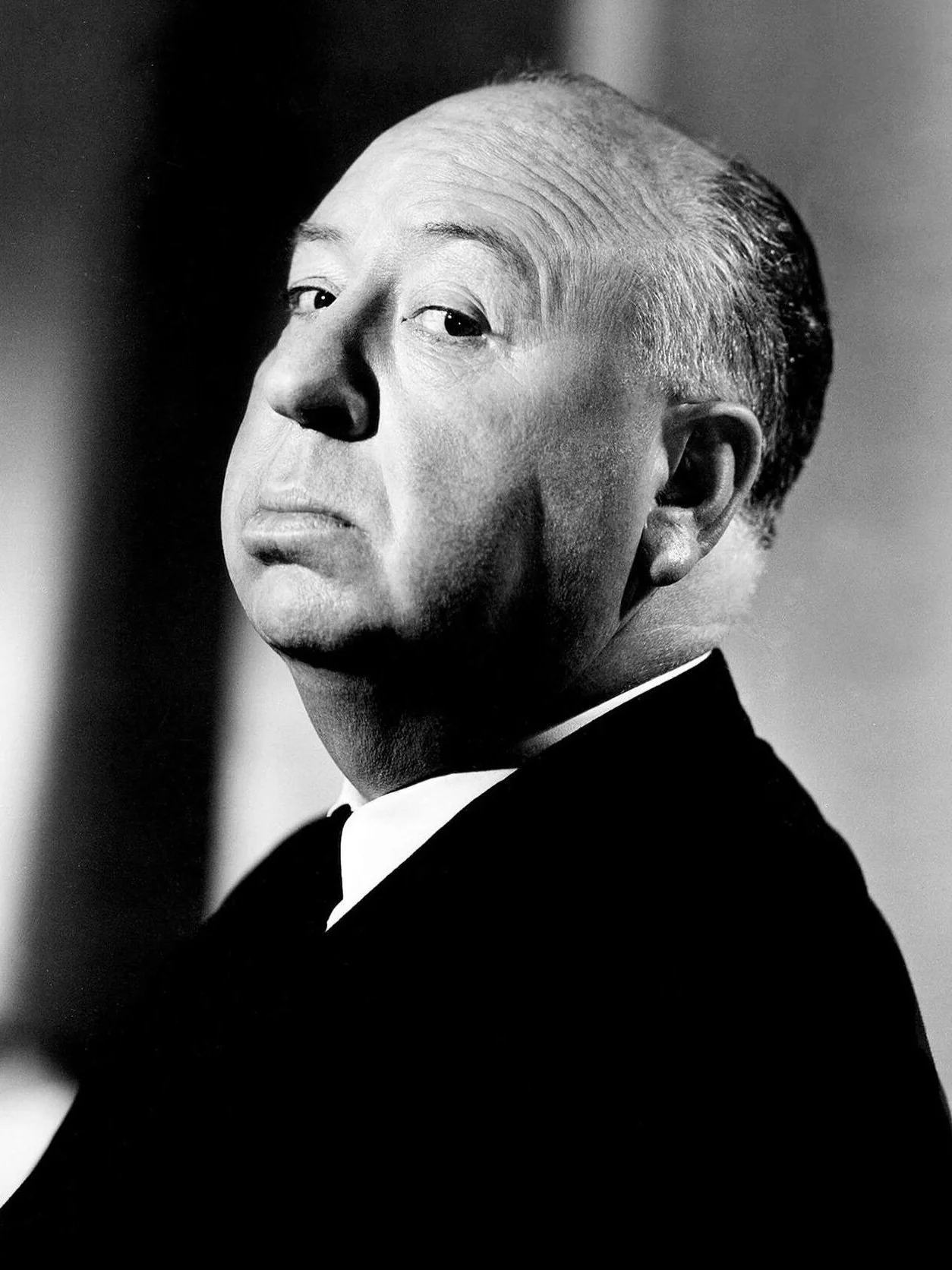
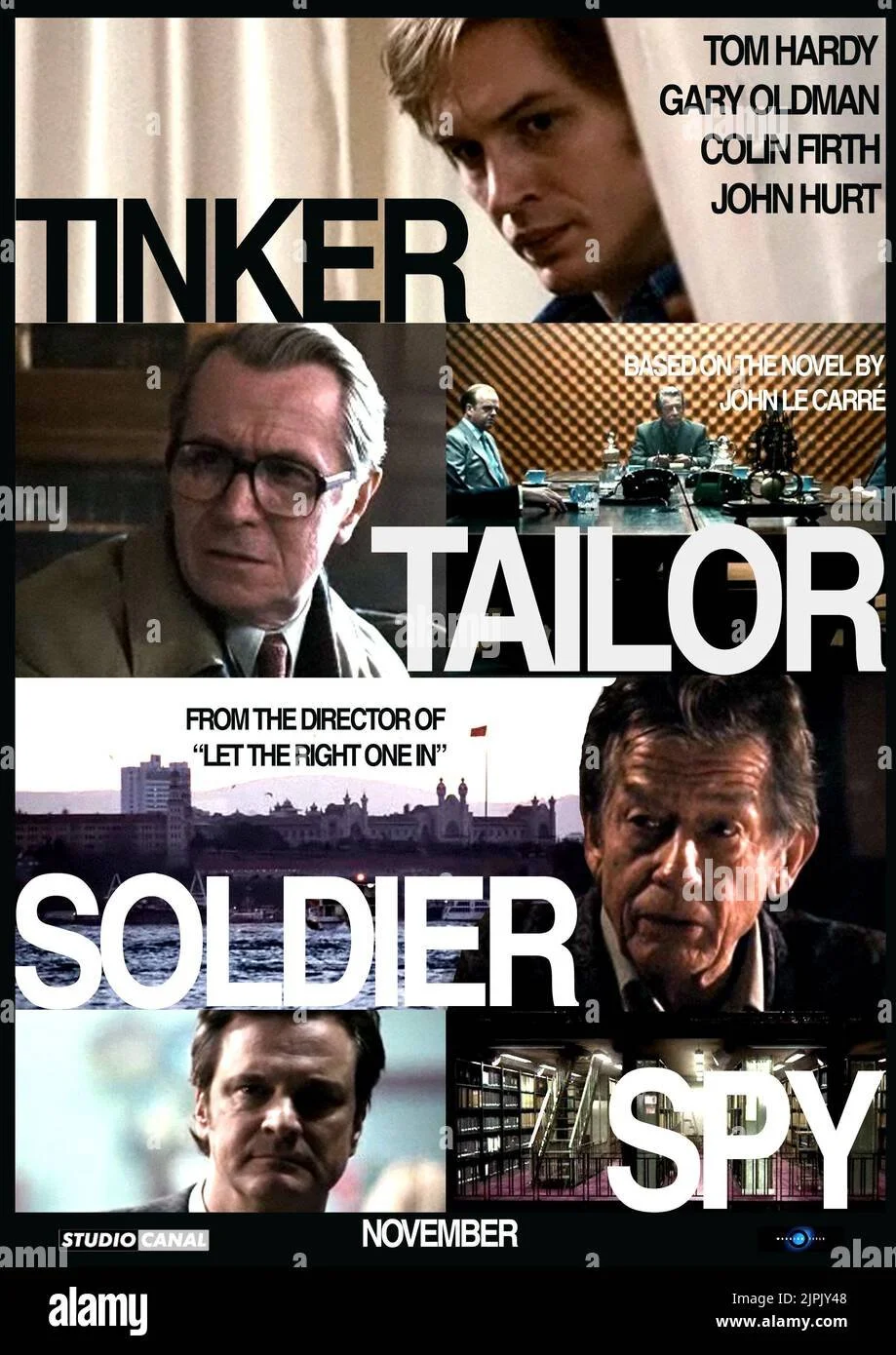
Our key directorial reference points are Alfred Hitchcock and Stanley Kubrick. Hitchcock’s films present familiar locations - a seaside town, a quaint village, a famous landmark - in a new, unsettling way through ingenious camerawork and technical virtuosity. His work explores what lies beneath the surface of the ordinary, which is also what propels our narrative. His quintessentially British perspective, by turns unnerving and yet wry, is also apposite to the tone we wish to achieve.
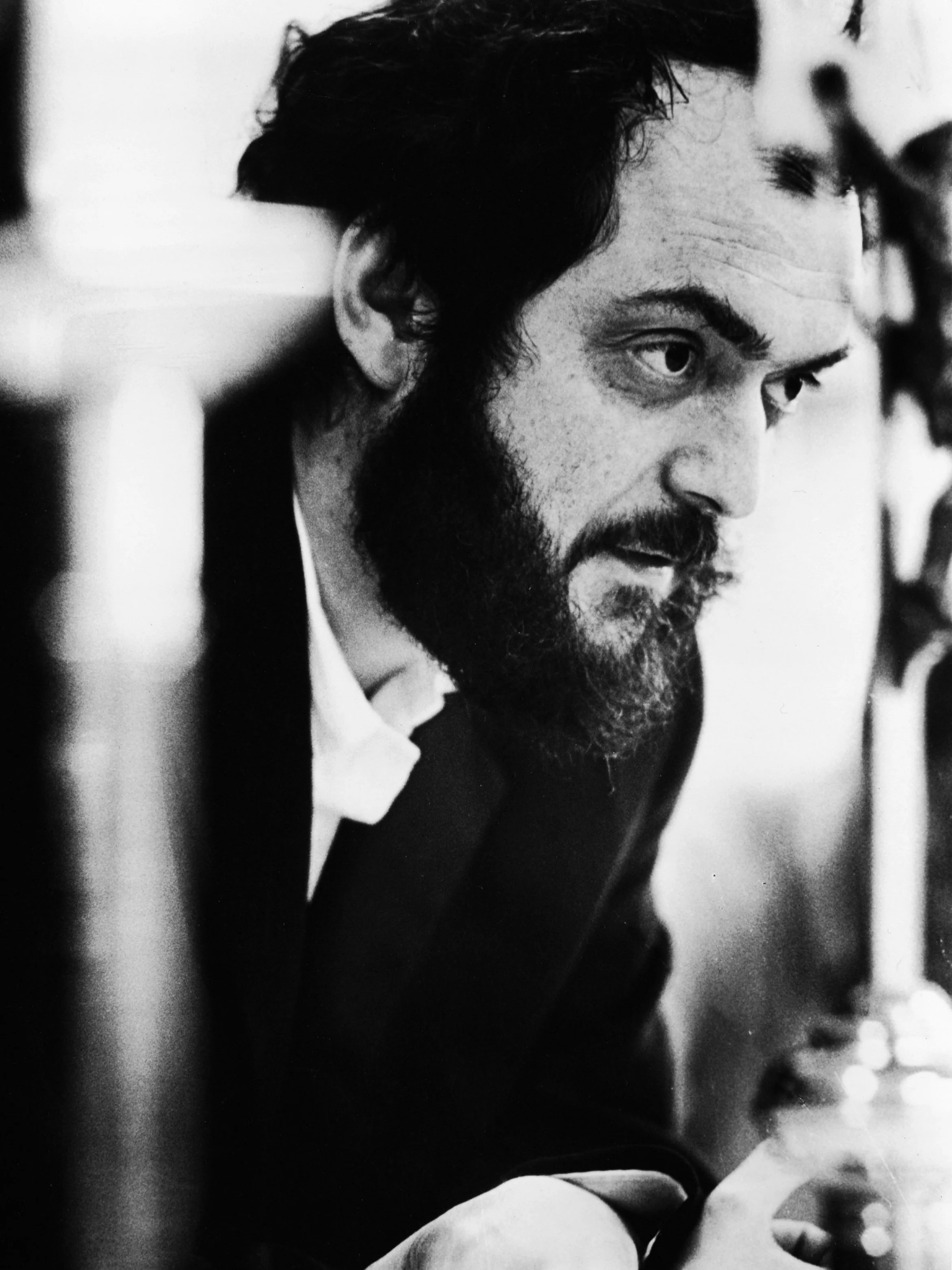
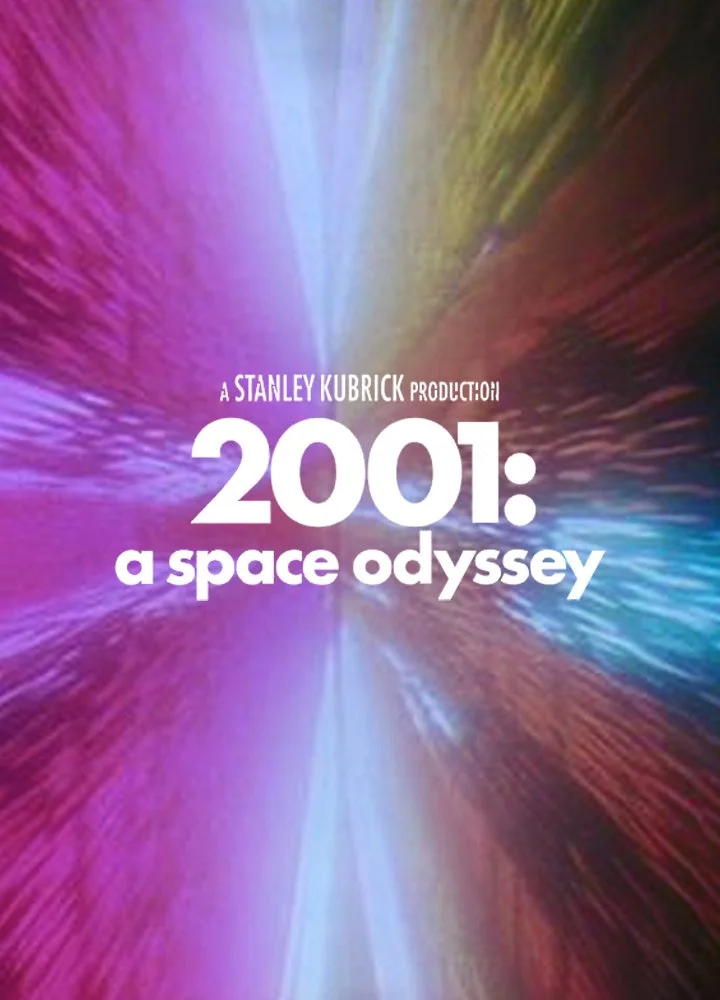
Stanley Kubrick’s precise control of tone through his mastery of photography and design was able to create unsettling and unnerving atmospheres in unexpected ways. 2001: A Space Odyssey and Clockwork Orange are particularly important references for us because of the way they defy usual genre classification.
Both these iconic directors dominated the era our story inhabits, and had strong relationships with Britain and British culture - and as such they remain our touchstones for the visual and cinematic style of the show.
OTHER STYLE REFERENCES
TONE FILM
Duration: 1” 15”
PLEASE NOTE:
This video is in VERTICAL orientation and should ideally be viewed on a PHONE at FULL SCREEN with the SOUND ON.
VISUAL REFERENCE
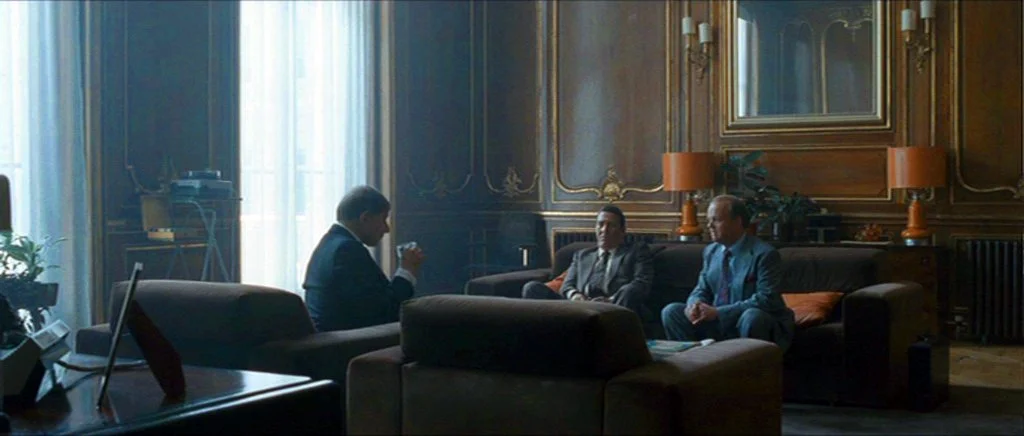
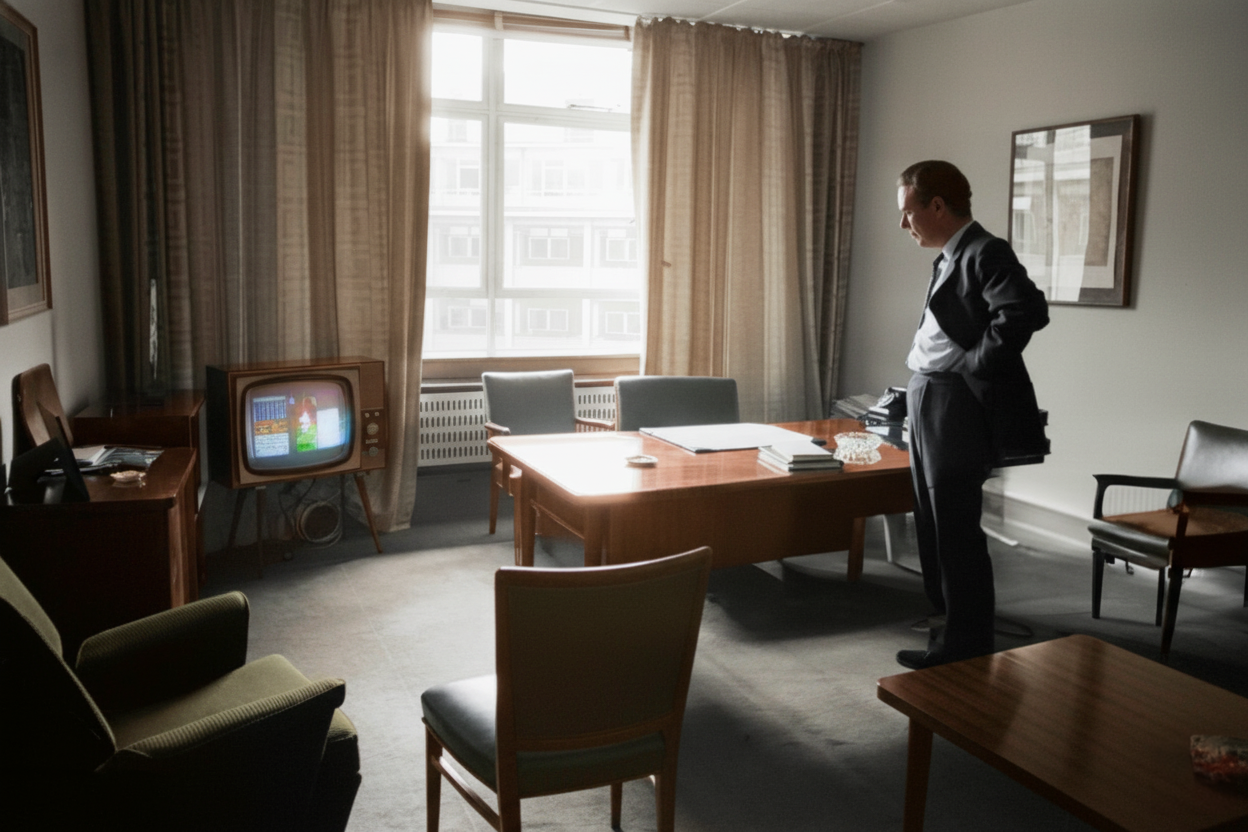
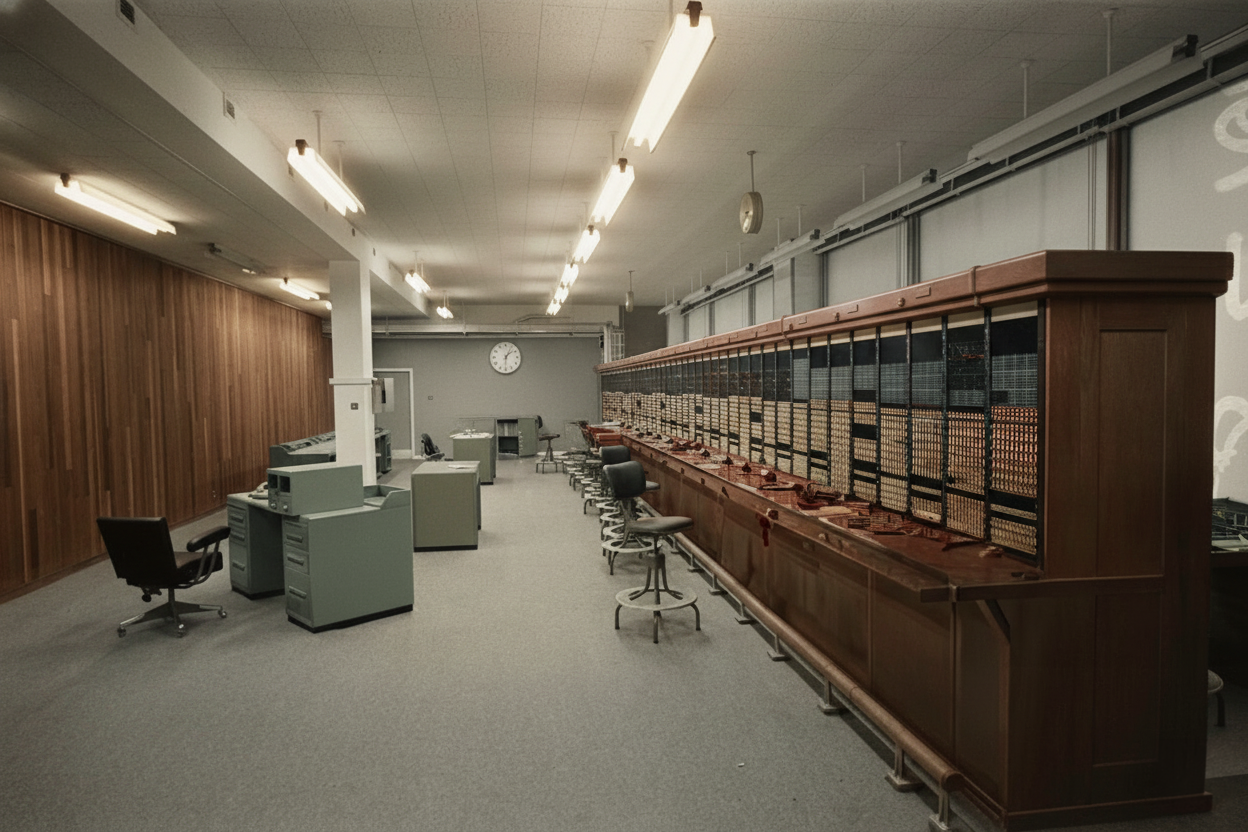
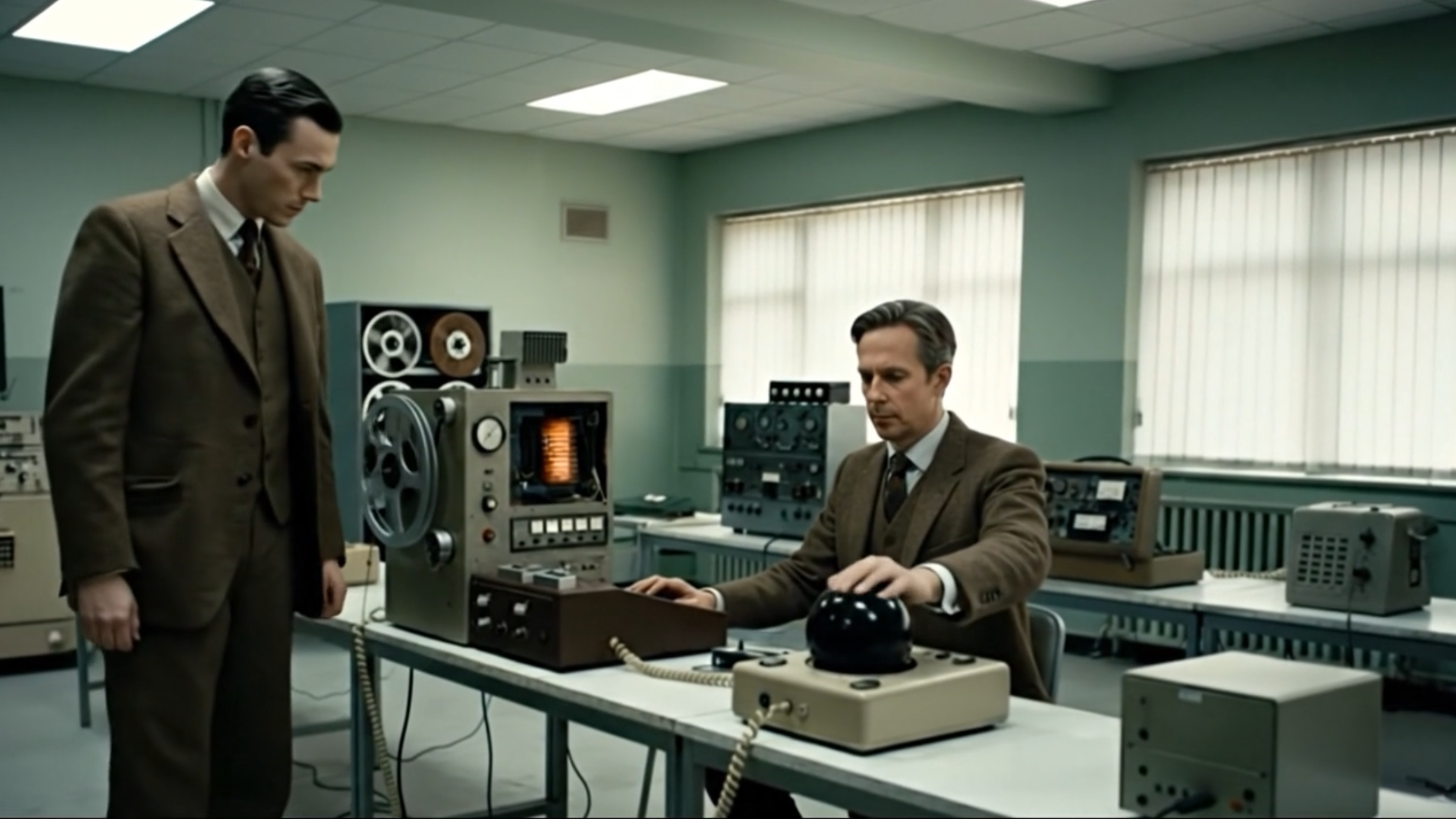
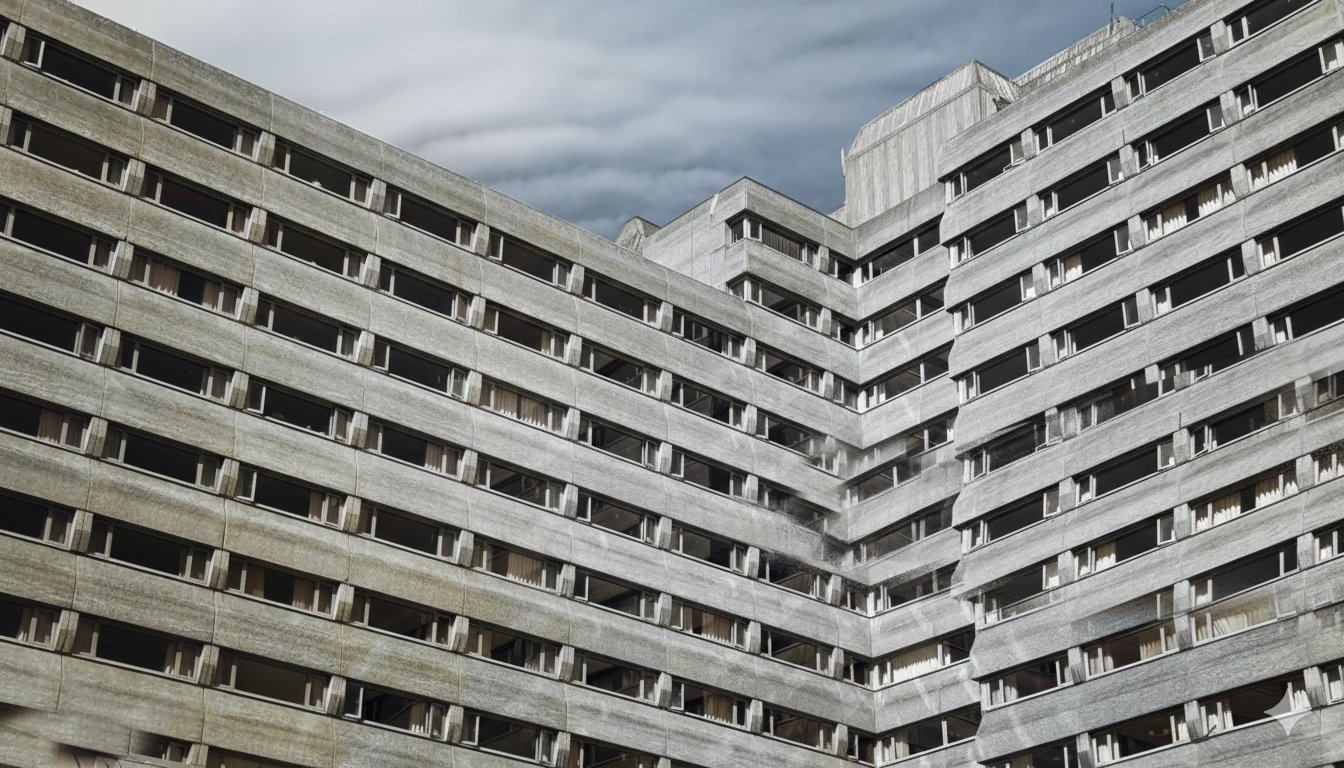
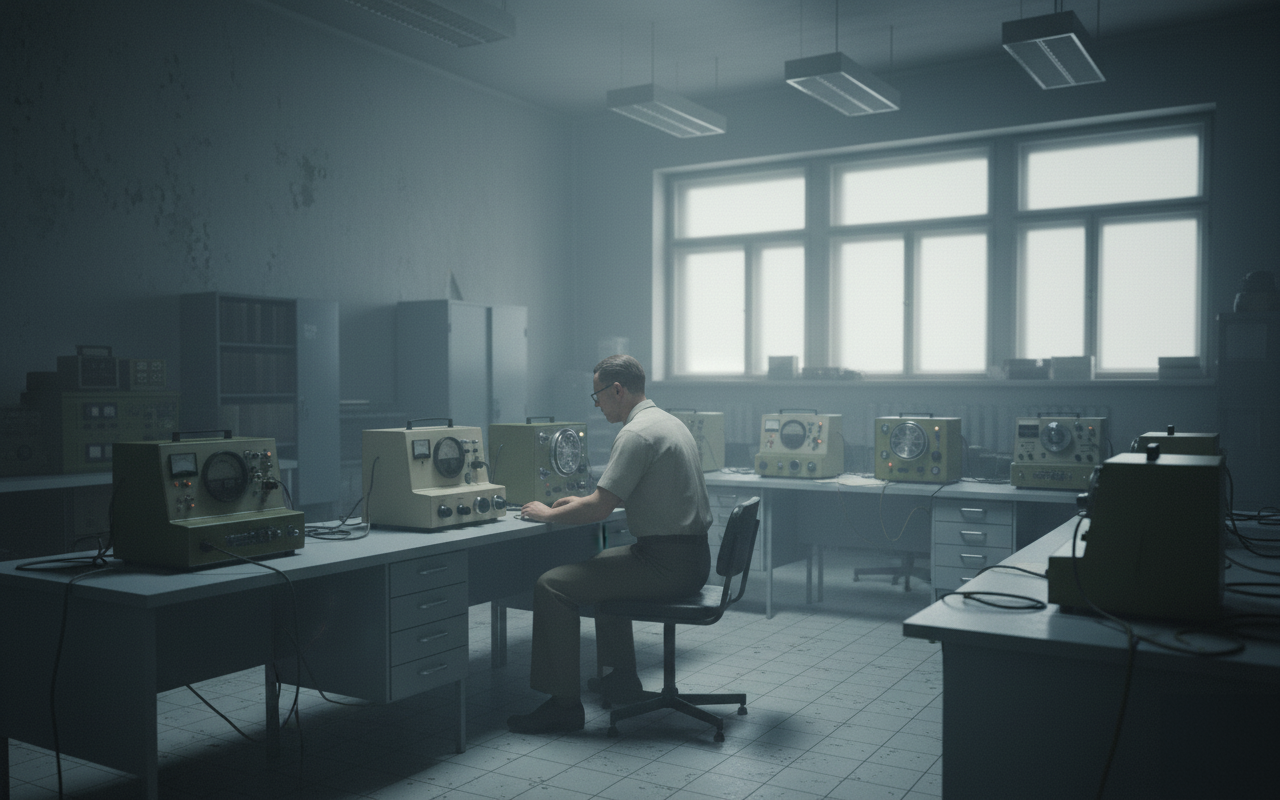
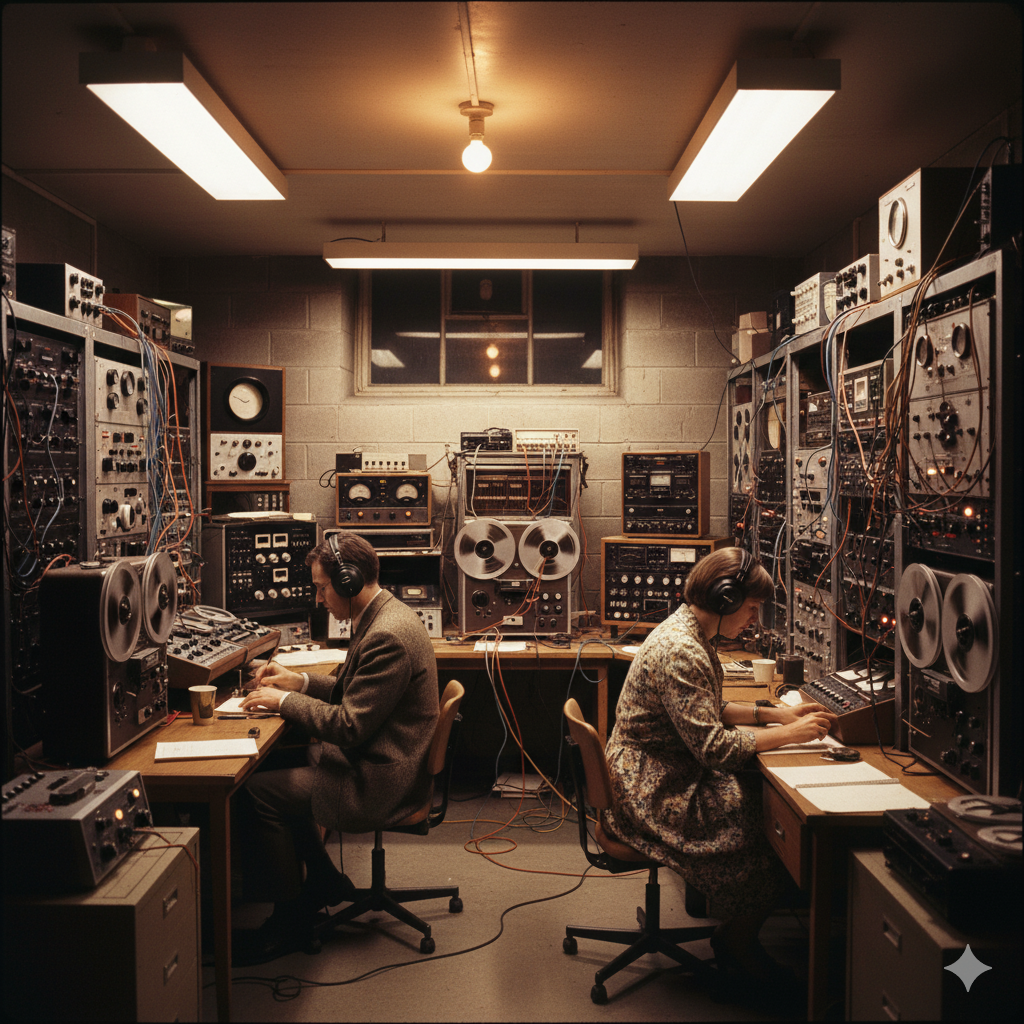
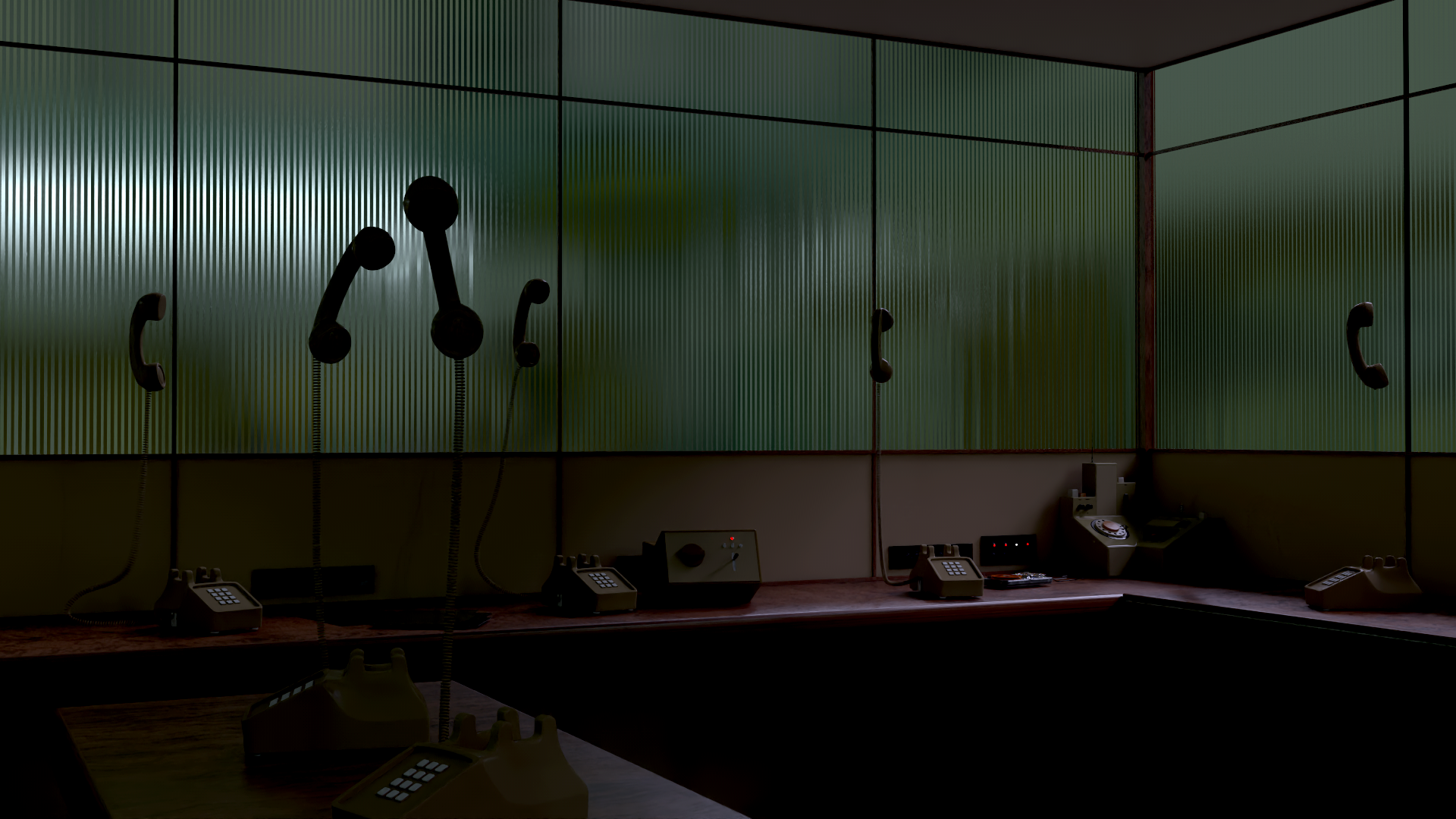
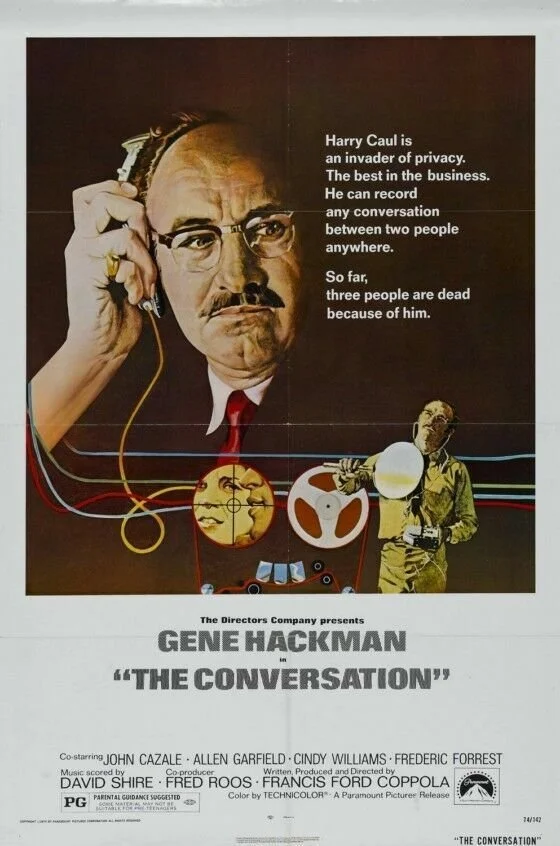
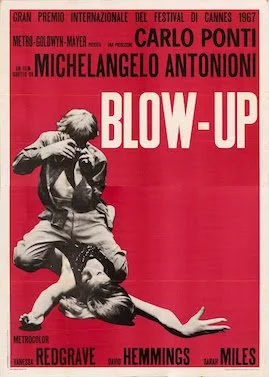
The world we inhabit is late mid-century London, not yet swinging, but emerging from austerity and still very analogue. With locations that are municipal and functional the buildings and clothing (for the men at least) are formal and functional. We don’t treat the world like a worn nostalgic relic but inhabit it in full colour, even if the locations and scenery can look drab. Even in the dimmest bedsit there will be some vibrancy somewhere. The show will bring this period to life in a way that is fresh and compelling.